HISTORY OF BOXING
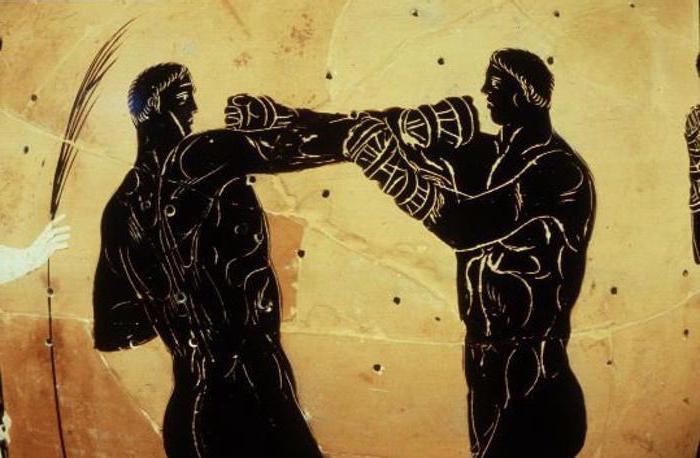
688 BC - BOXING IS INTRODUCED TO THE ANCIENT OLYMPIC GAMES
Ancient Greece played a pivotal role in the development of boxing.
In 688 BC, the sport was officially included in the Ancient Olympic Games - a milestone that marked a major turning point in its history.
From that moment on, boxing began to evolve from an informal form of combat into a more structured and regulated sport.
In ancient competitions, fighters protected their hands with leather straps, while bouts demanded exceptional physical strength and endurance. These characteristics helped shape boxing into a demanding and disciplined athletic contest.
The inclusion of boxing in the Olympic Games ultimately secured its place as an important part of global sporting culture.
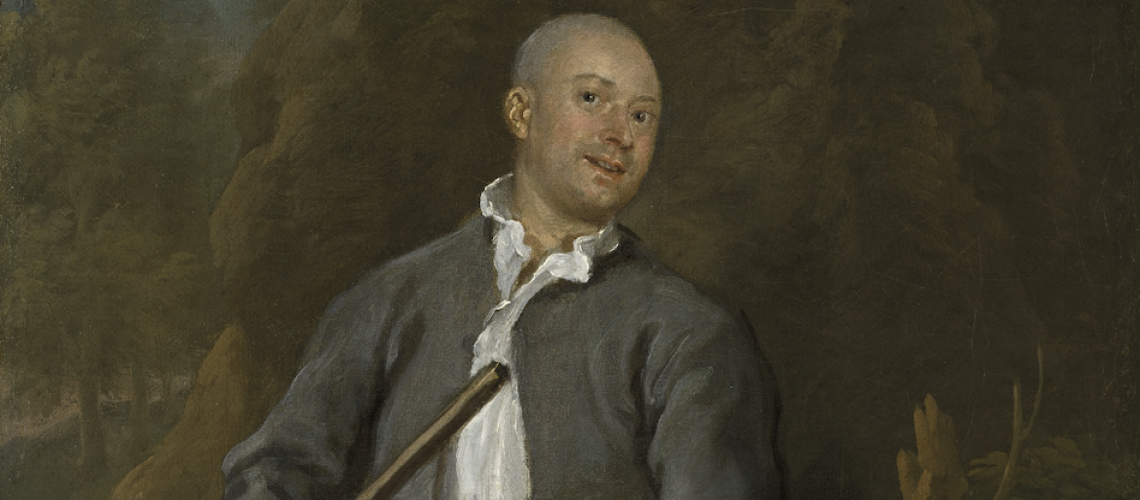
1719 - JAMES FIGG BECOMES ENGLAND’S FIRST RECOGNIZED BOXING CHAMPION
In the 18th century, England emerged as the primary center for the development of boxing in Europe.
In 1719, James Figg was declared England’s first recognized boxing champion, securing his place in history as one of the sport’s earliest professional figures.
His influence helped transform boxing from informal street fighting into a more structured and organized sport. The emergence of an official championship title introduced the concepts of status, titles, and competitive hierarchy — laying the groundwork for modern boxing as we know it today.
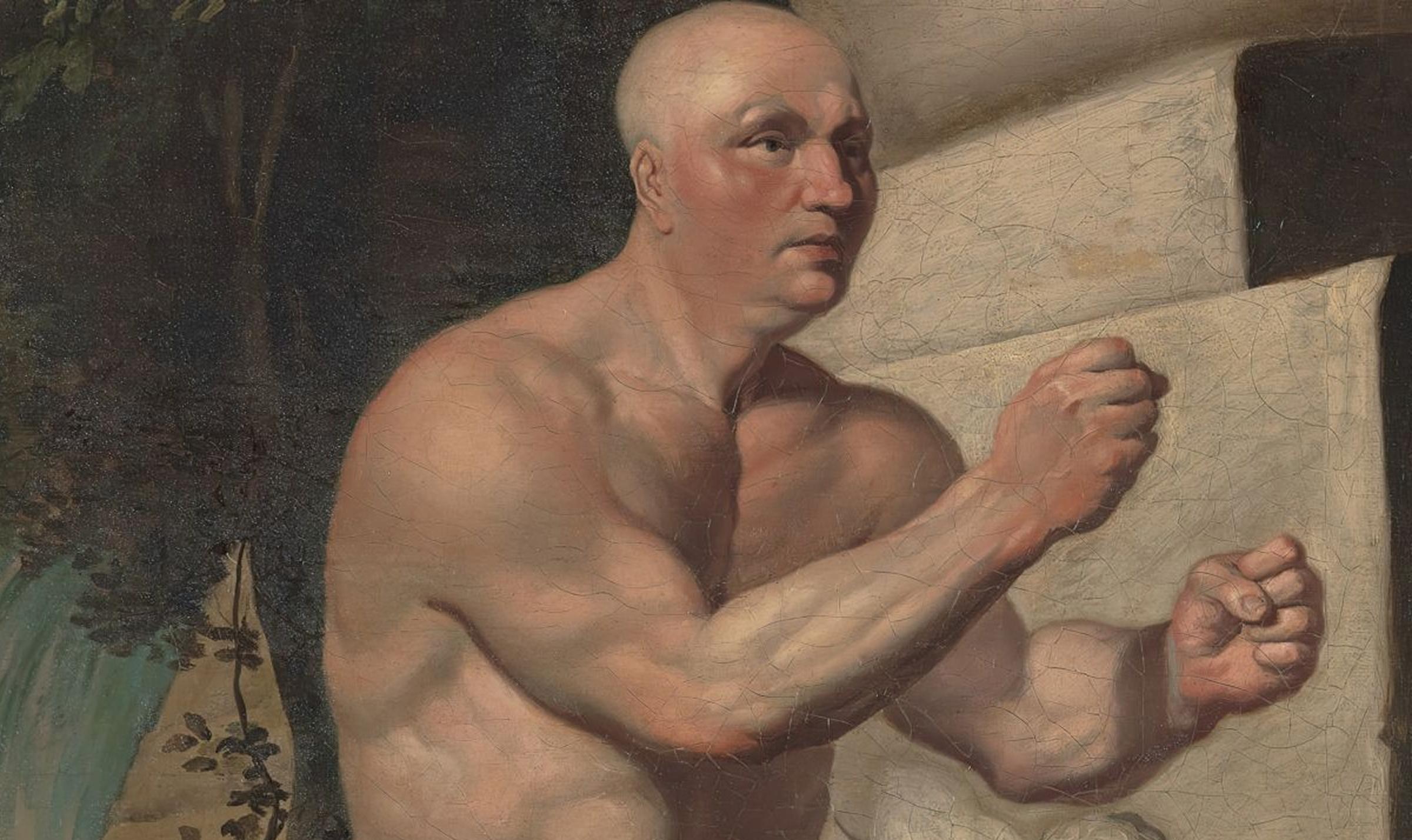
1743 - JACK BROUGHTON ESTABLISHES THE FIRST RULES OF BOXING
The creation of the first rules in boxing history played a significant role in shaping the sport.
In 1743, Jack Broughton established the first official and systematic set of rules in boxing history — an event widely regarded as a turning point in the sport’s development.
Broughton’s rules brought structure, clarity, and improved safety to bouts. Boxing began to evolve from a chaotic form of combat into a sport governed by defined principles and standards.
These rules also laid the foundation for the development of officiating and formal sports organization, playing a key role in boxing’s emergence as a recognized professional and international sport.
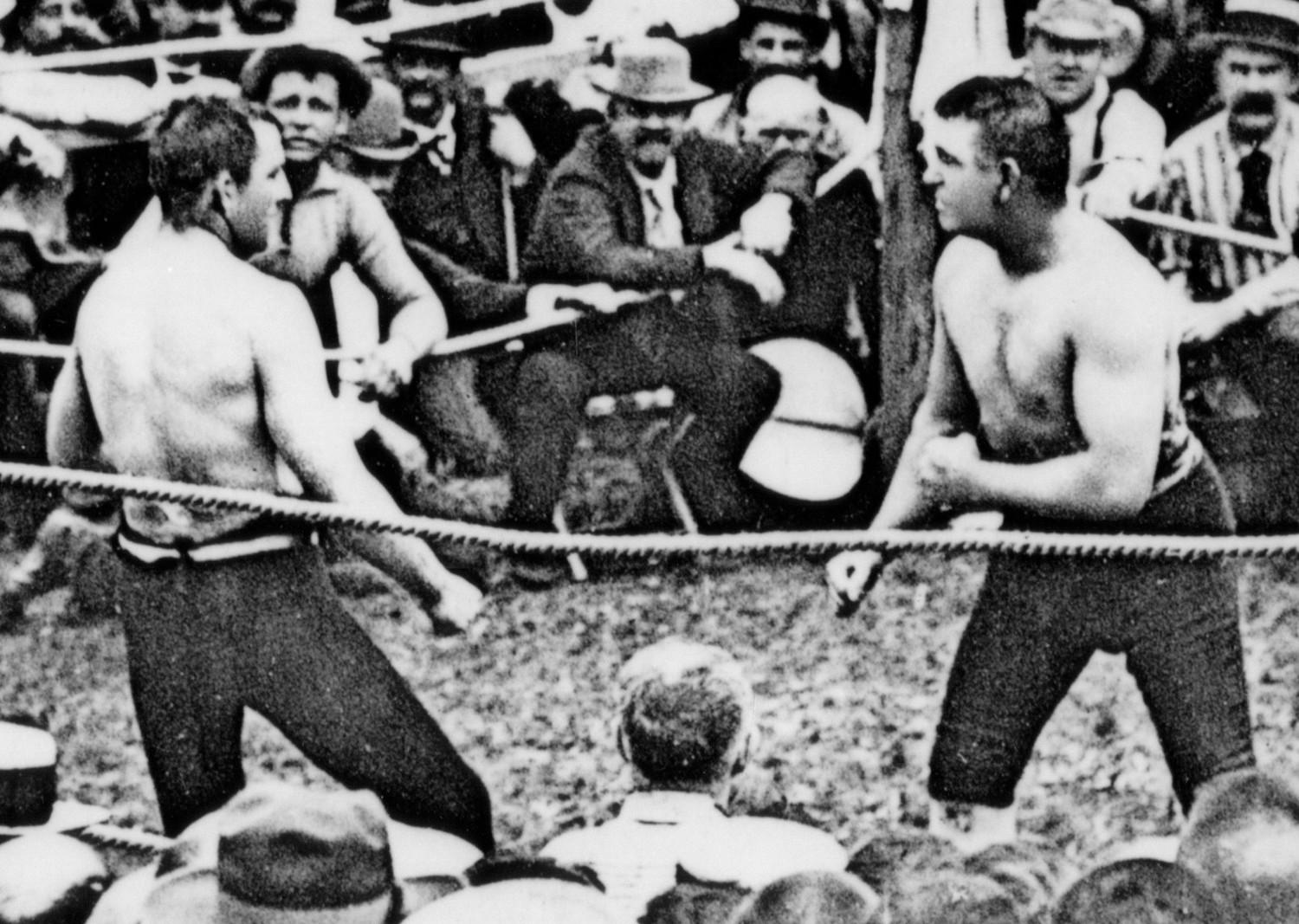
1838 - THE LONDON PRIZE RING RULES ERA BEGINS
These rules marked a significant step toward boxing’s development under more systematic and unified standards.
In 1838, the London Prize Ring Rules were introduced and went on to serve as the primary regulatory framework for boxing throughout the 19th century. These rules formalized the concept of the ring, regulated the flow of bouts, and established clear limitations for participants.
At the time, boxing still retained its raw and brutal nature, with most fights conducted bare-knuckle. Nevertheless, the introduction of these rules made contests more structured, controlled, and organized.
Ultimately, this period marked one of the most important transitions from unregulated prizefighting to the foundations of modern boxing. The London Prize Ring Rules played a key role in shaping boxing into a more standardized, recognized, and systematically governed sport.
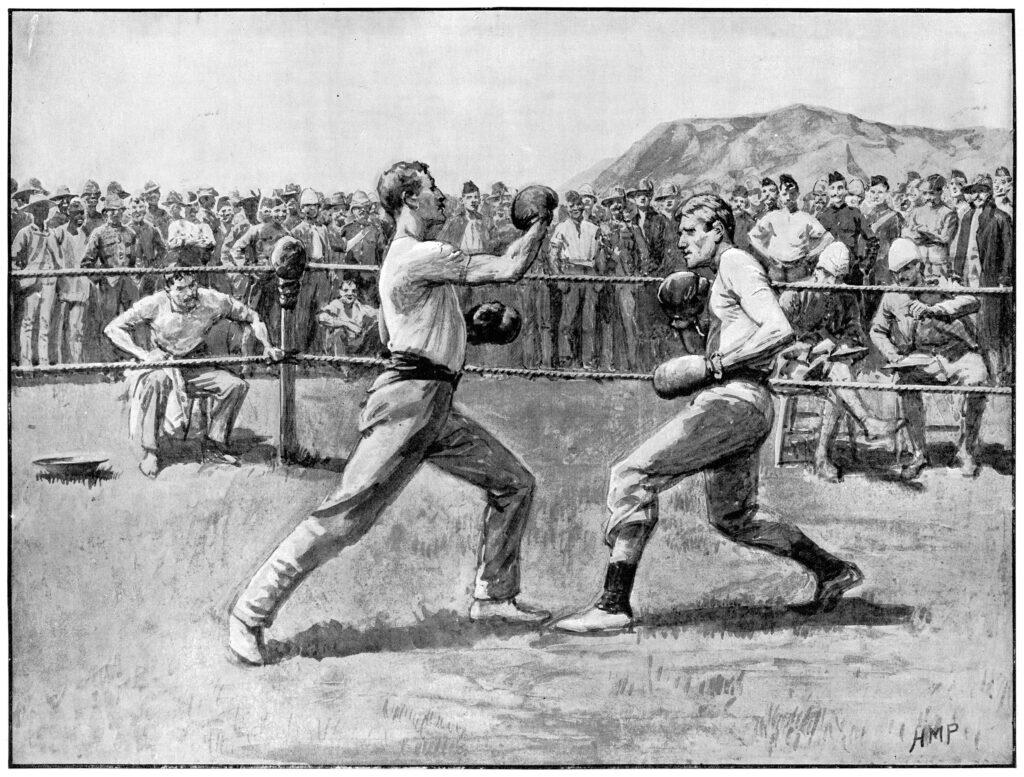
1867 - THE MARQUESS OF QUEENSBERRY RULES
These rules became a fundamental milestone that transformed boxing into a modern ring sport.
In 1867, the Marquess of Queensberry Rules were published, marking the beginning of a new era in boxing. These rules established clear standards to ensure bouts were conducted in a more organized, transparent, and safer manner.
They introduced key elements that still define modern boxing today: the mandatory use of gloves, three-minute rounds, one-minute rest intervals, a ten-second count for knockdowns, and the prohibition of wrestling and grappling techniques.
As a result of these innovations, boxing evolved from a simple test of brute strength into a sport defined by skill, strategy, and technical mastery.
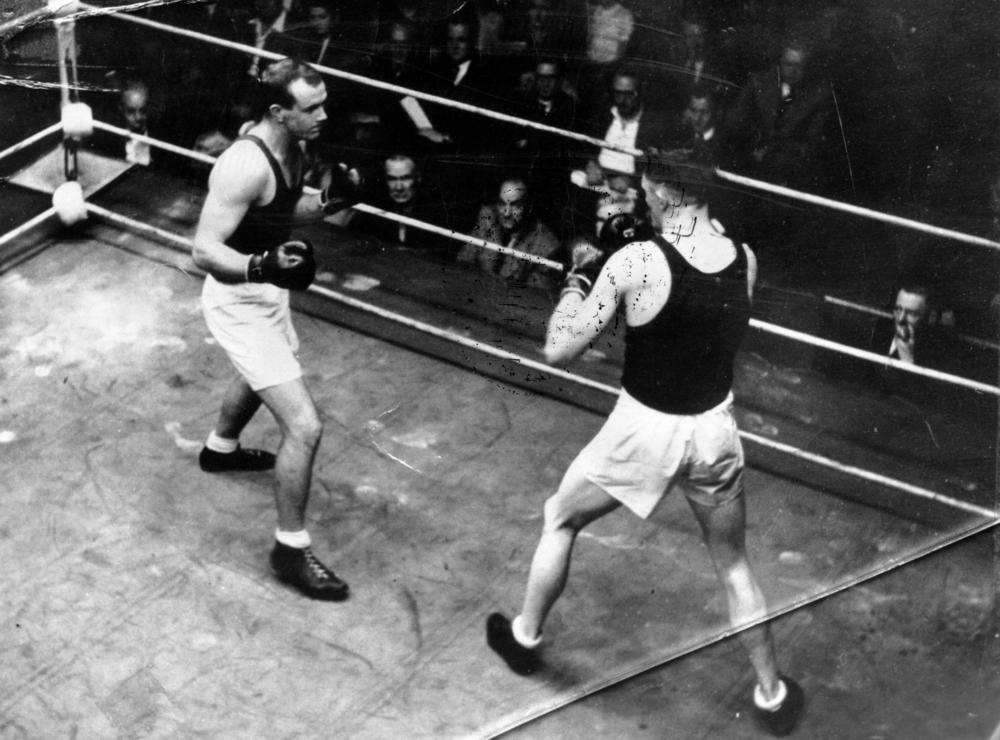
BOXING WAS INCLUDED IN THE PROGRAMME OF THE MODERN OLYMPIC GAMES FOR THE FIRST TIME.
1904 marked a significant milestone in the history of boxing. Having been featured in the Ancient Olympic Games, boxing was also included in the programme of the modern Olympic Games. The competitions were held in St. Louis, United States. Initially contested exclusively by men, Olympic boxing later expanded with the introduction of additional weight categories. Women's boxing was subsequently added to the Olympic programme at the London 2012 Olympic Games, marking a new chapter in the sport’s development.
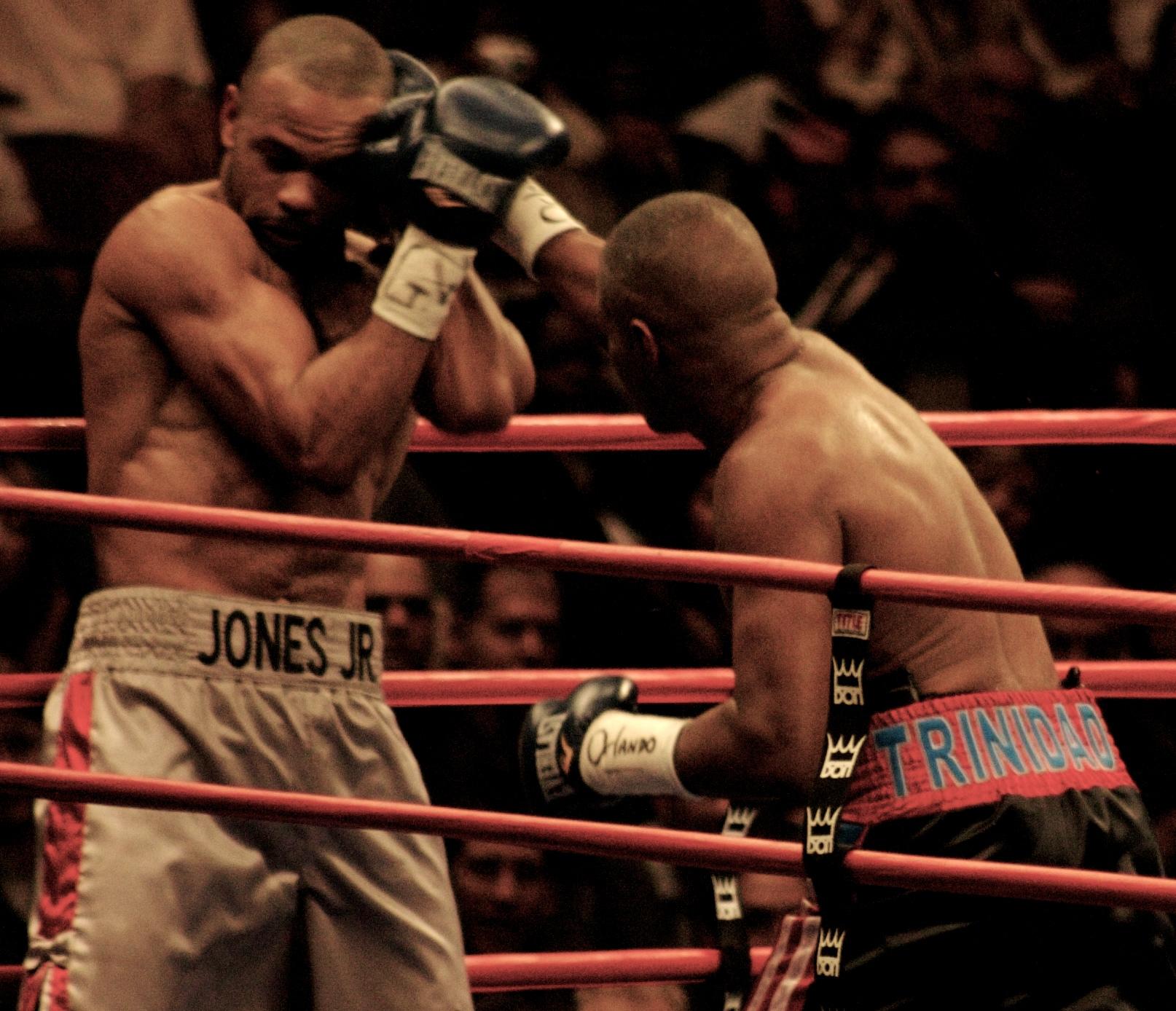
1921 - BOXING GAINS STATUS AS A GLOBAL SPORT IN THE 20TH CENTURY
During this period, boxing spread widely across the world and became one of the most watched sports.
During this period, boxing expanded rapidly across the world, becoming one of the most widely followed sports.
In the first half of the XX century, the sport experienced significant growth and gained popularity in many countries. The year 1921 stands as a symbolic milestone in this rise, as the names of major champions began to gain broader international recognition.
Increased interest in title fights, growing media coverage, and the ability to reach wider audiences all contributed to strengthening boxing’s global reputation.
As a result, boxing established itself as one of the most recognized and widely followed sports of the XX century.
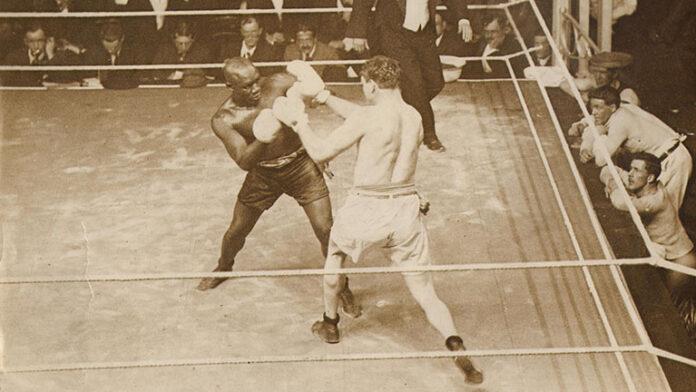
1925 – THE FOUNDATION OF THE EUROPEAN BOXING CHAMPIONSHIPS WAS ESTABLISHED
The first European Boxing Championships were held in 1925. The tournament took place in Stockholm, Sweden, and was organized by the European Boxing Confederation, bringing together boxers from across the continent. It is recognized as the first official championship in the history of European amateur boxing.
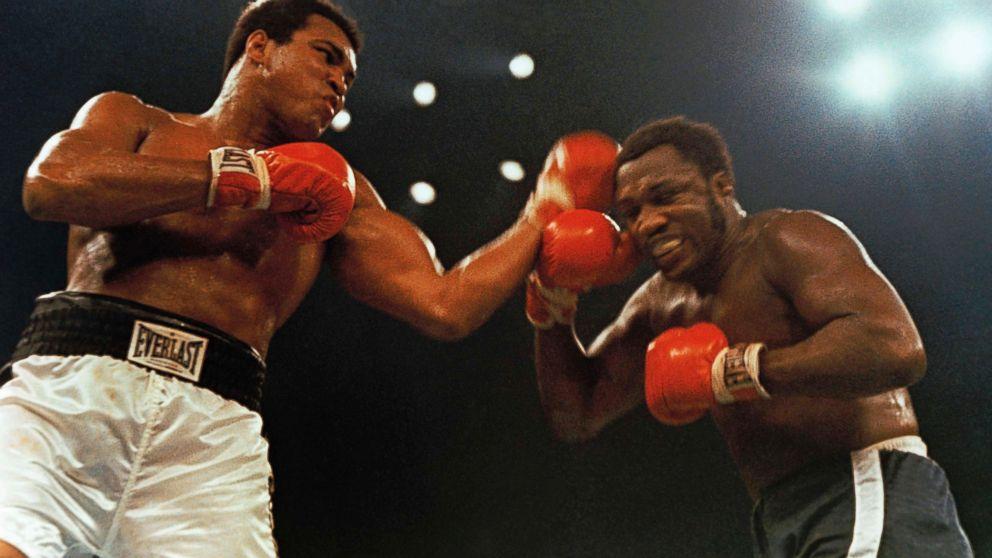
1964 - THE BEGINNING OF THE ERA OF MUHAMMAD ALI
Muhammad Ali’s emergence marked the start of a new and unforgettable chapter in boxing history.
In 1964, Muhammad Ali became the world heavyweight champion, marking the start of an era that would leave an indelible mark on boxing history. His speed, unique fighting style, charismatic personality, and memorable public presence quickly made him one of the most recognizable figures in global sports.
Ali’s impact extended far beyond his achievements in the ring. He elevated boxing’s popularity to new heights, drew unprecedented public attention to the sport, and introduced it to a much broader international audience.
As a result, Muhammad Ali’s rise transformed the very nature of boxing. From that point on, the sport was no longer seen solely as a competition, but also as an integral part of global culture and history.
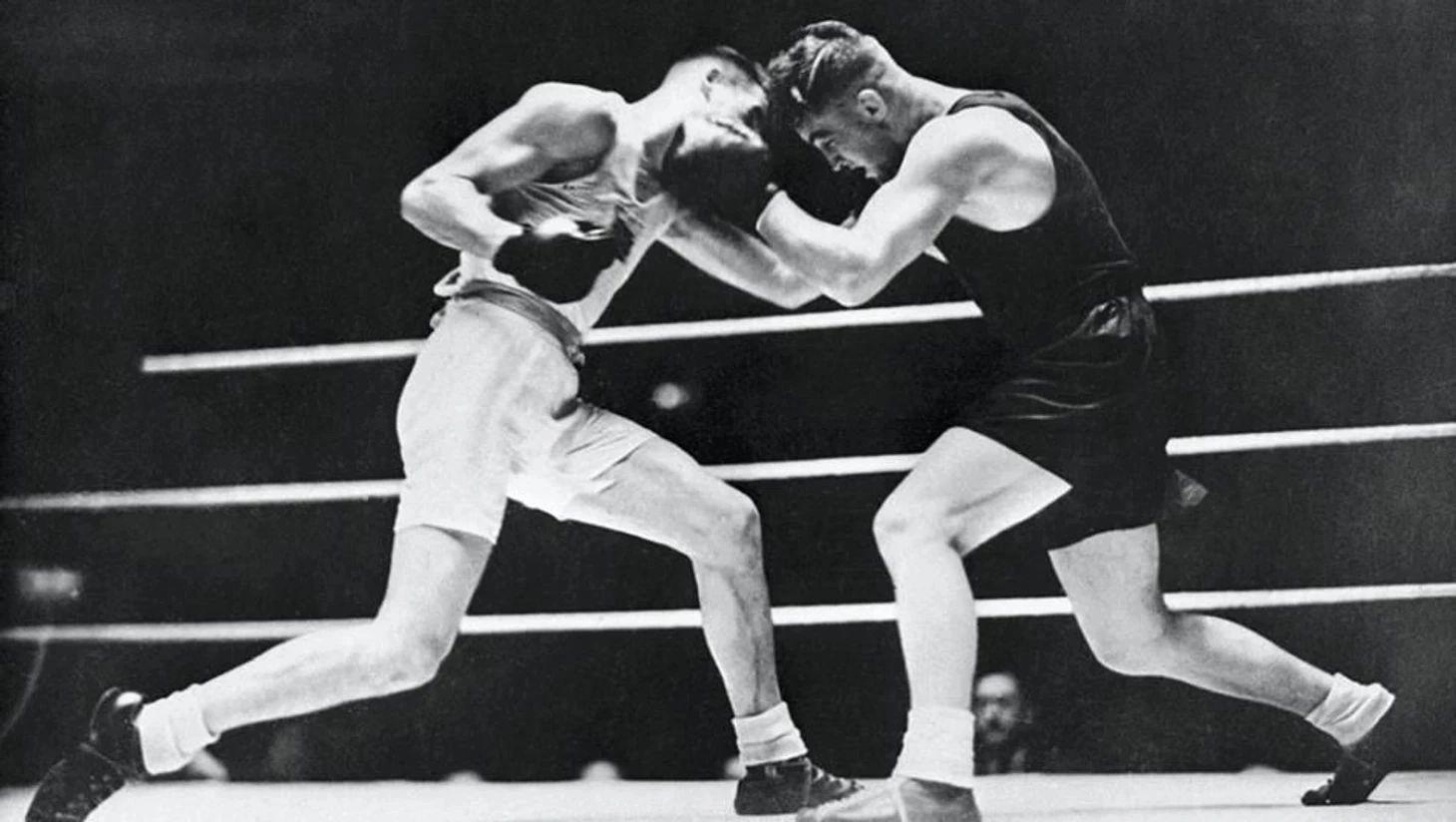
1974 – HAVANA HOSTED THE FIRST WORLD BOXING CHAMPIONSHIPS
The first World Boxing Championships were held in 1974, 49 years after the inaugural European Boxing Championships. The tournament brought together elite amateur boxers from around the world and was organized under the auspices of the International Boxing Association (AIBA). Havana, Cuba, hosted the historic event, which featured 274 boxers representing 45 countries.
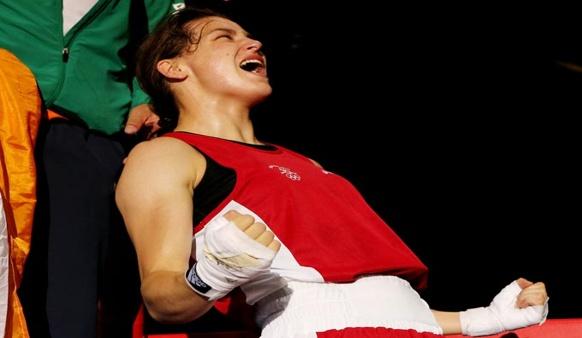
2012 - WOMEN’S BOXING DEBUTS AT THE OLYMPIC GAMES
At London 2012 Olympics, women’s boxing was officially recognized at the Olympic level, marking a historic milestone for the sport.
In 2012, at the London 2012 Olympic Games, women’s boxing was included in the official program for the first time. This milestone marked a historic step for the sport and played a crucial role in the global recognition of women’s boxing.
The decision opened the door for female athletes to compete at the highest international level, increased interest in women’s boxing, and created opportunities for the development of new talent.
As a result, London 2012 ushered in a new era for women’s boxing, contributing to the sport’s evolution into a more modern, inclusive, and globally recognized discipline.
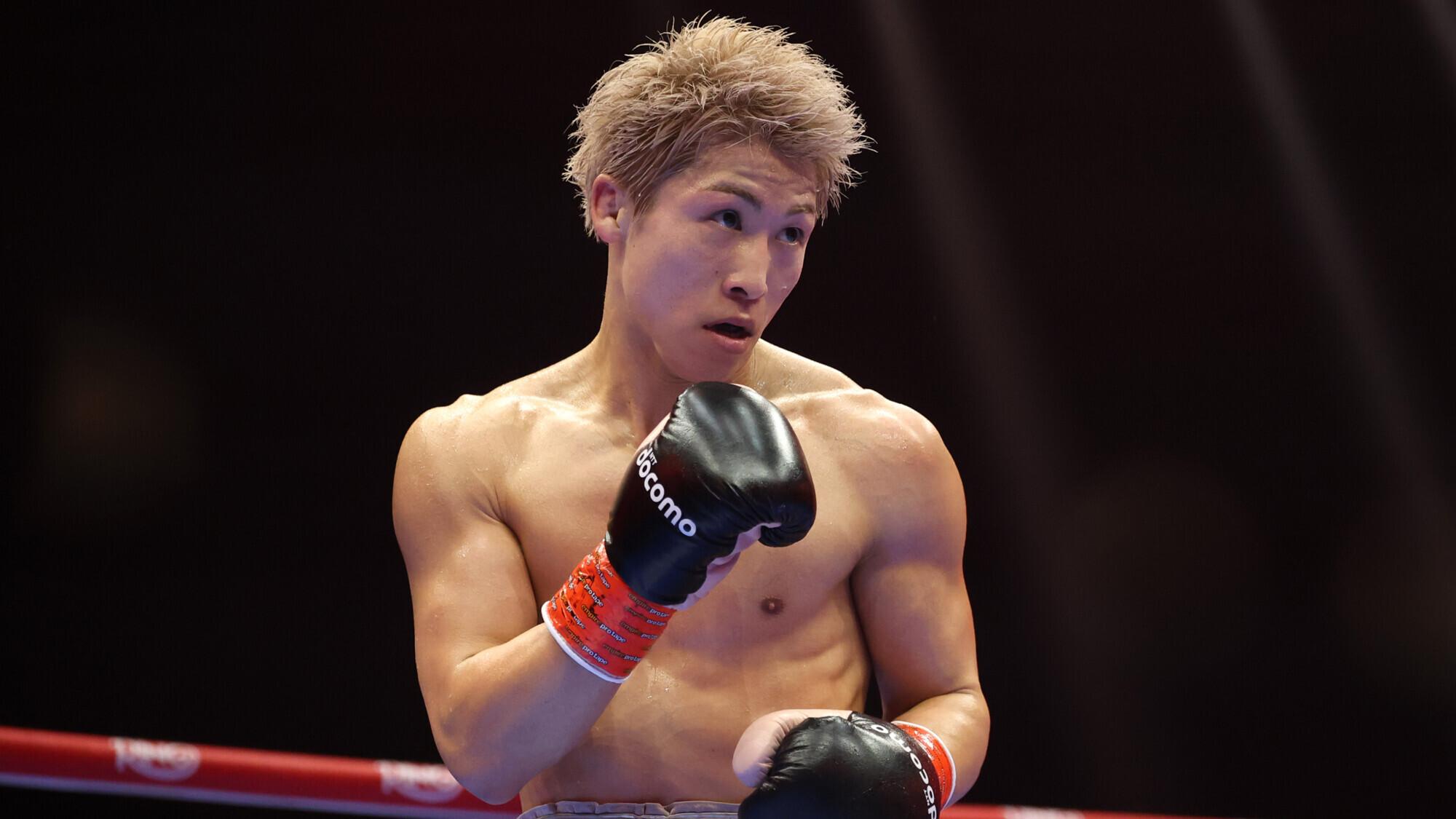
2025 - BOXING SECURES ITS OLYMPIC FUTURE
Key decisions made in 2025 ensured that boxing retained its place in the Olympic Games program, providing greater clarity and confidence in the sport’s future.
In 2025, the provisional recognition of World Boxing by the International Olympic Committee, followed by the confirmation of boxing’s inclusion in the Los Angeles 2028 Olympic Games, marked a decisive milestone for the sport.
These decisions ensured boxing’s place within the Olympic system and laid the foundation for its development under a renewed international framework. In this sense, boxing achieved one of its greatest victories beyond the ring - not for a title, but for the future of the sport itself.
